
How to Prepare for a Fitness Photoshoot
After 18 years of shooting fitness clients and attending 7 Mr Olympias, I've seen every level of preparation. This guide shares the common approaches that tend to work well for most people. Always listen to your body, and if you're working with a coach or nutritionist, follow their guidance first.
Nutrition - The Week Before Your Shoot
A quick note before we start: I'm a photographer, not a nutritionist or dietitian. The tips below are based on what I've commonly seen work well across thousands of clients, and they reflect general advice that's widely available online. Everyone's body is different. If you're working with a coach, PT, or nutritionist, always follow their guidance over anything here. Listen to your body, and if something doesn't feel right, don't do it.
This is the section most people overthink. Unless you're a competition athlete following a prep coach's plan (in which case, follow that plan), you don't need to do anything extreme. The goal is simple: arrive looking full, hydrated, and healthy. Not flat. Not bloated. Not depleted from a week of crash dieting.
Here's what tends to work for most people.
Water Intake
Many clients find that increasing their water intake in the four to five days before a shoot helps. Something in the range of three to four litres per day is common, though this varies depending on your size, activity level, and what you're used to. The idea is that your body adjusts by flushing water more efficiently, which can reduce subcutaneous water retention that blurs muscle definition.
Some people then reduce their intake slightly the day before - back to their normal amount. The theory is that your body continues flushing at the higher rate for a short period, leaving you looking a little tighter. This is a mild version of what competition athletes call water loading. You're not dehydrating yourself - just working with your body's natural response. If you're unsure, just drink your normal amount of water and you'll be fine.
Carbohydrates
A common approach in the two to three days before a shoot is to slightly increase your carbohydrate intake. Rice, potatoes, oats, pasta - whatever you normally eat. The extra carbs help fill your muscles with glycogen, which can make them appear fuller and rounder. Think of it as topping up the tank.
You don't need to go overboard. An extra portion of carbs with each meal tends to be enough for most people. If you've been dieting hard, this can be especially helpful - your muscles may soak up the glycogen and you could look noticeably fuller than you did a few days earlier.
Sodium
Some clients find that easing off sodium in the final 24 to 48 hours helps. This doesn't mean zero sodium - just being mindful of heavily salted foods, processed meals, and salty snacks. The idea is to reduce water retention under the skin so your muscles look a bit sharper.
Don't overthink this. Cook your own meals, go easy on the salt, and avoid takeaways for a day or two. That's it.
The Morning of the Shoot
Most clients find it helpful to eat something light and easily digestible a couple of hours before the session. A small portion of carbs - some rice cakes with honey, a banana, a bowl of oats - can help keep your energy up and maintain that full look in your muscles. Avoid anything heavy, greasy, or likely to leave you feeling sluggish.
Bring snacks to the studio as well. A session lasts between 90 minutes and two hours, and you'll want to top up your energy and your pump between outfit changes. More on that in the "What to Bring" section.
What NOT to Do
- Don't crash diet in the week before. If you haven't reached your target condition by seven days out, a week of extreme restriction won't get you there - it'll just leave you looking flat, tired, and unhappy.
- Don't try anything new. If you've never manipulated water or carbs before, the week before your shoot is not the time to experiment. Stick to what you know.
- Don't dehydrate yourself. Extreme dehydration is dangerous and it doesn't produce better photos. It produces headaches, fatigue, cramping, and a dull complexion. Drink your water.
- Don't skip meals on the day. You need energy and fullness, not an empty stomach and a hollow look.
If you're working with a prep coach, PT, or nutritionist, follow their plan. They know your body and your goals. The advice on this page is general guidance based on common approaches - it's not a substitute for professional advice.
The honest truth is that most clients don't need extreme measures. If you've been training consistently and eating well, small adjustments in the final week are all it takes. I handle the lighting, the angles, and the direction. Your job is to arrive feeling good.
Training - The Final Week
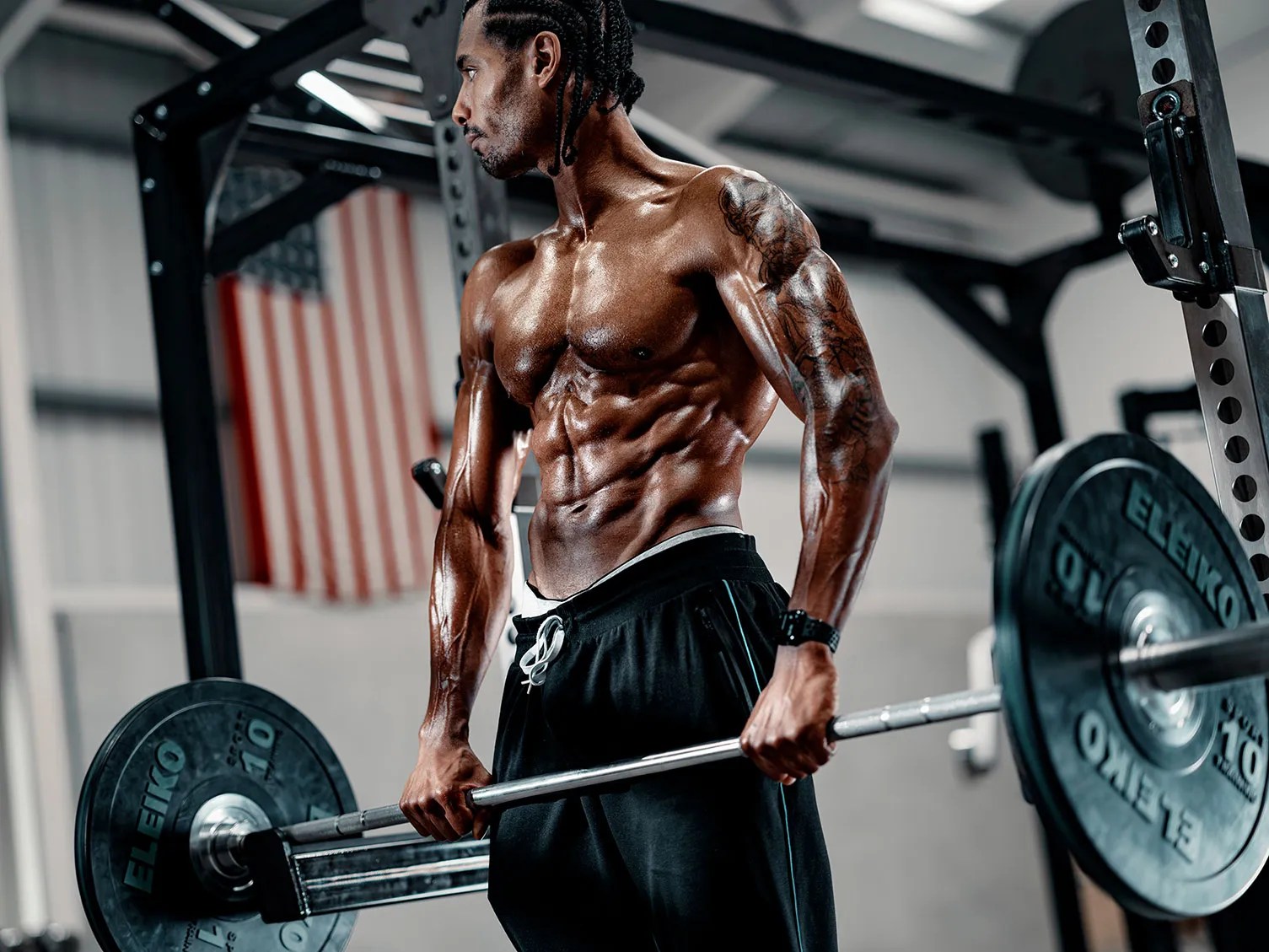
The most common mistake I see is people changing their entire training approach in the week before a shoot. They'll suddenly add extra sessions, try new exercises, or train to absolute failure the day before. None of this helps. Most of it actively hurts.
Train Normally
In the week leading up to your shoot, keep training as you normally would. Your body responds to consistency, not to a panicked final push. If you train four days a week, train four days that week. If you follow a push/pull/legs split, follow your push/pull/legs split. Don't suddenly add two extra sessions because you think it'll make a difference. It won't - and you risk turning up sore, depleted, or carrying inflammation from overtraining.
The Day Before
Train the day before if it's in your normal routine, but don't go to failure. You want your muscles to look full and recovered on shoot day, not flat and broken down. A moderate session that hits the muscle groups you want to showcase is ideal. Think 70-80% effort. Enough to maintain your pump and your rhythm, not enough to leave you wrecked.
The Pump on Shoot Day
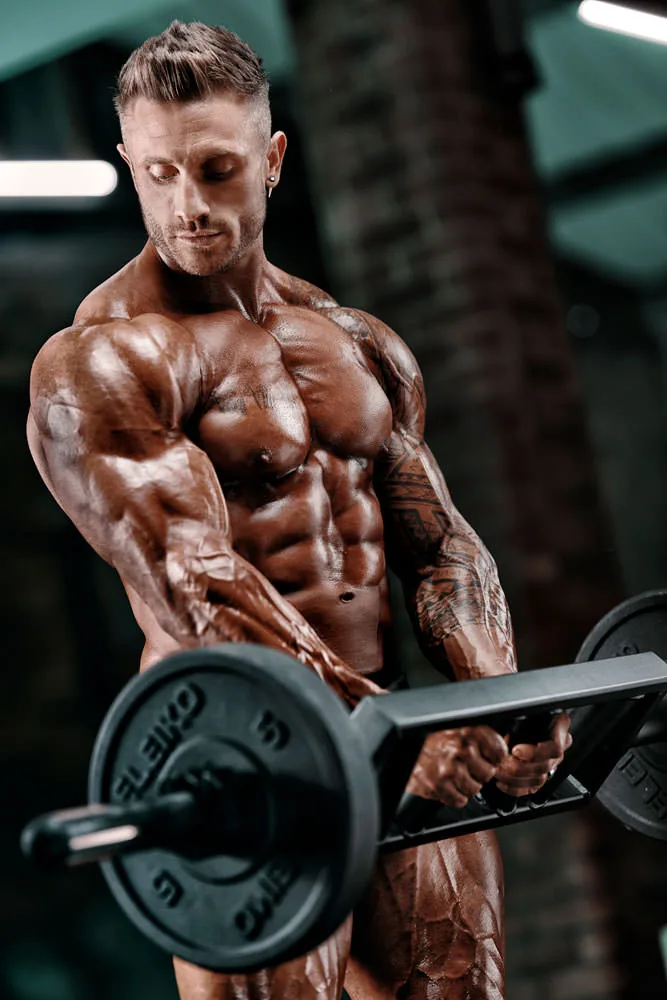
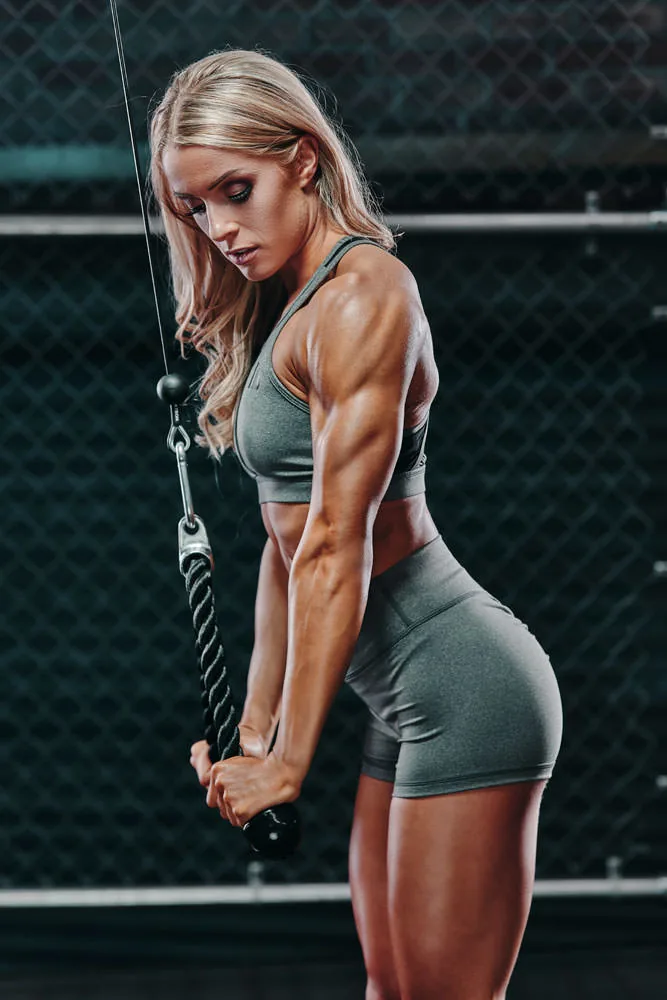
This is where the studio makes a real difference. The shooting space is a fully equipped gym - free weights, machines, resistance bands, a cable rig, benches. You can pump up before we start shooting and top up your pump between setups and outfit changes.
A good pump adds visible size and vascularity. It's the difference between looking good and looking incredible. I'll give you time between setups to hit a few sets of whatever you need - push-ups, lateral raises, curls, banded work. The equipment is right there. You don't need to disappear to a gym down the road and come back 20 minutes later having lost the pump.
If you're a non-competitor and none of this sounds familiar, don't worry. Just train as you normally would in the week before, show up on the day, and I'll guide you through the pump process in the studio. It's straightforward and I've walked thousands of clients through it.
Skin and Grooming
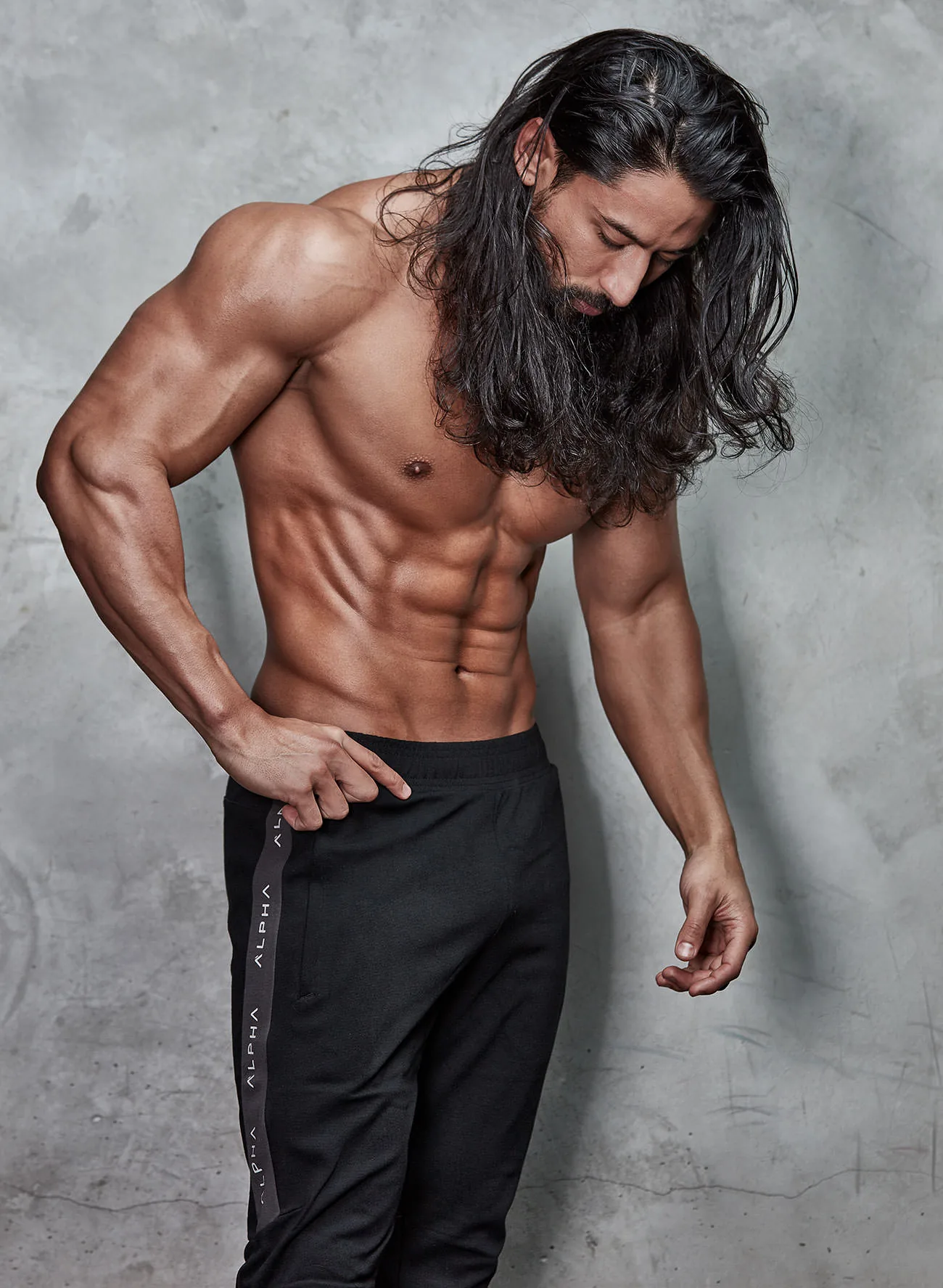
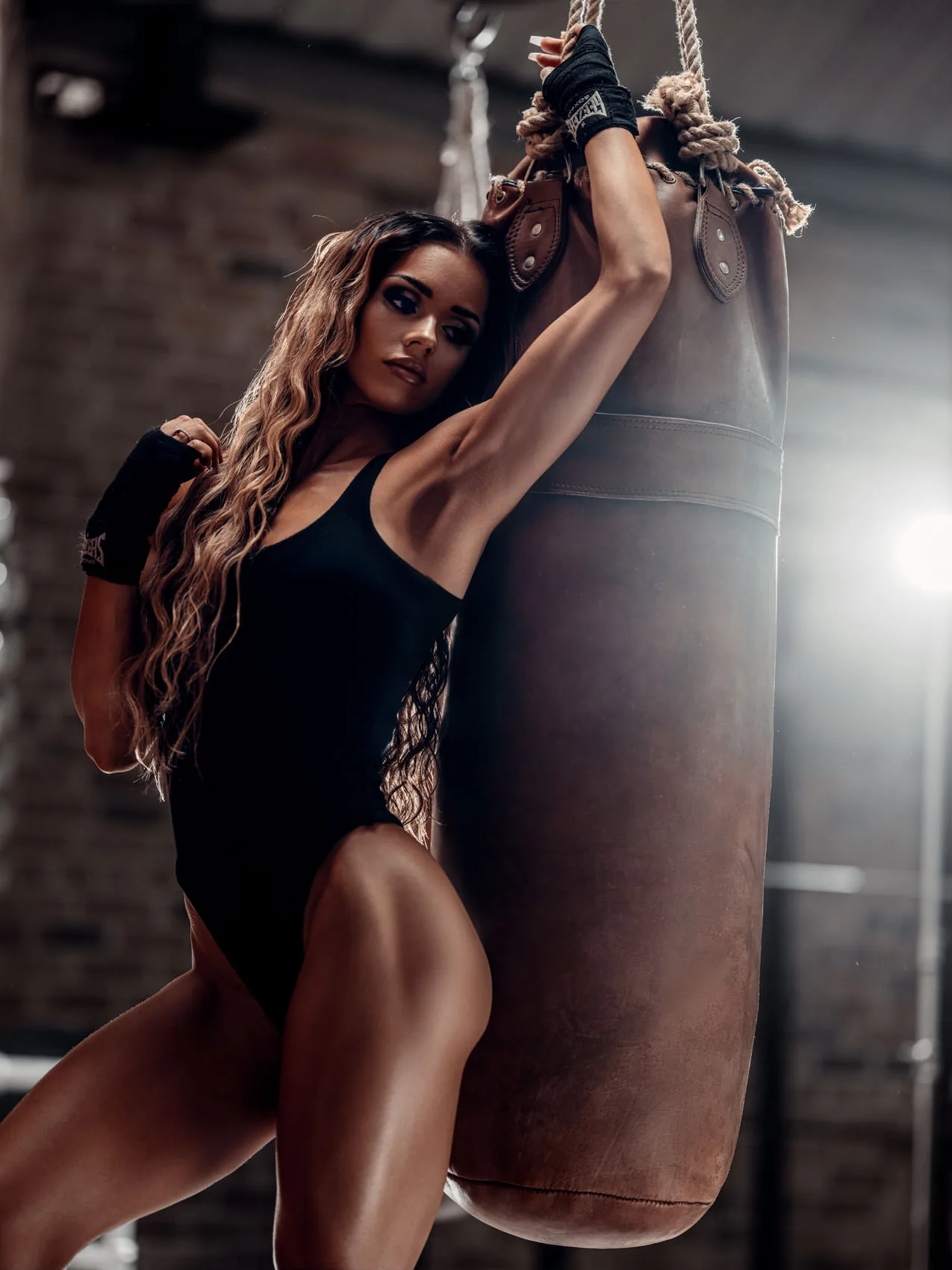
Physique photography is close-up work. The camera picks up everything - skin texture, grooming, dry patches, razor burn. A small amount of preparation here goes a long way.
Moisturise
Start moisturising daily at least a week before your shoot. Arms, shoulders, chest, legs - anywhere that'll be visible on camera. Well-moisturised skin reflects light evenly, which means cleaner highlights and a more polished final image. Dry skin catches the light unevenly and shows every flaw.
Shaving and Grooming
If you plan to shave or trim body hair, do it 24 to 48 hours before your shoot - not the morning of. This gives your skin time to settle and reduces the risk of redness, razor bumps, or irritation. Freshly shaved skin under studio lighting can look inflamed, and that's much harder to fix in post-production than people think.
Tanning
A base tan helps define muscle separation and gives your skin a warmer, healthier look on camera. If you have a natural tan, that's ideal. If not, a light spray tan two to three days before the shoot works well.
The studio offers a pre-shoot tan add-on if you'd like it handled professionally. It's timed specifically for your session so the colour sits at its best on shoot day. Ask about it when you book.
General Tips
- Avoid trying new skincare products in the week before. Reactions show up under studio lighting.
- Keep your nails tidy. Hands are visible in more shots than you'd expect, particularly close-ups and detail work.
- Avoid sunburn. Peeling skin and tan lines in the wrong places create problems that lighting can't fix.
- For women: keep makeup natural or bring a few options. Less is usually more under studio lighting, and I can advise on the day based on the look we're going for.
What to Bring on the Day
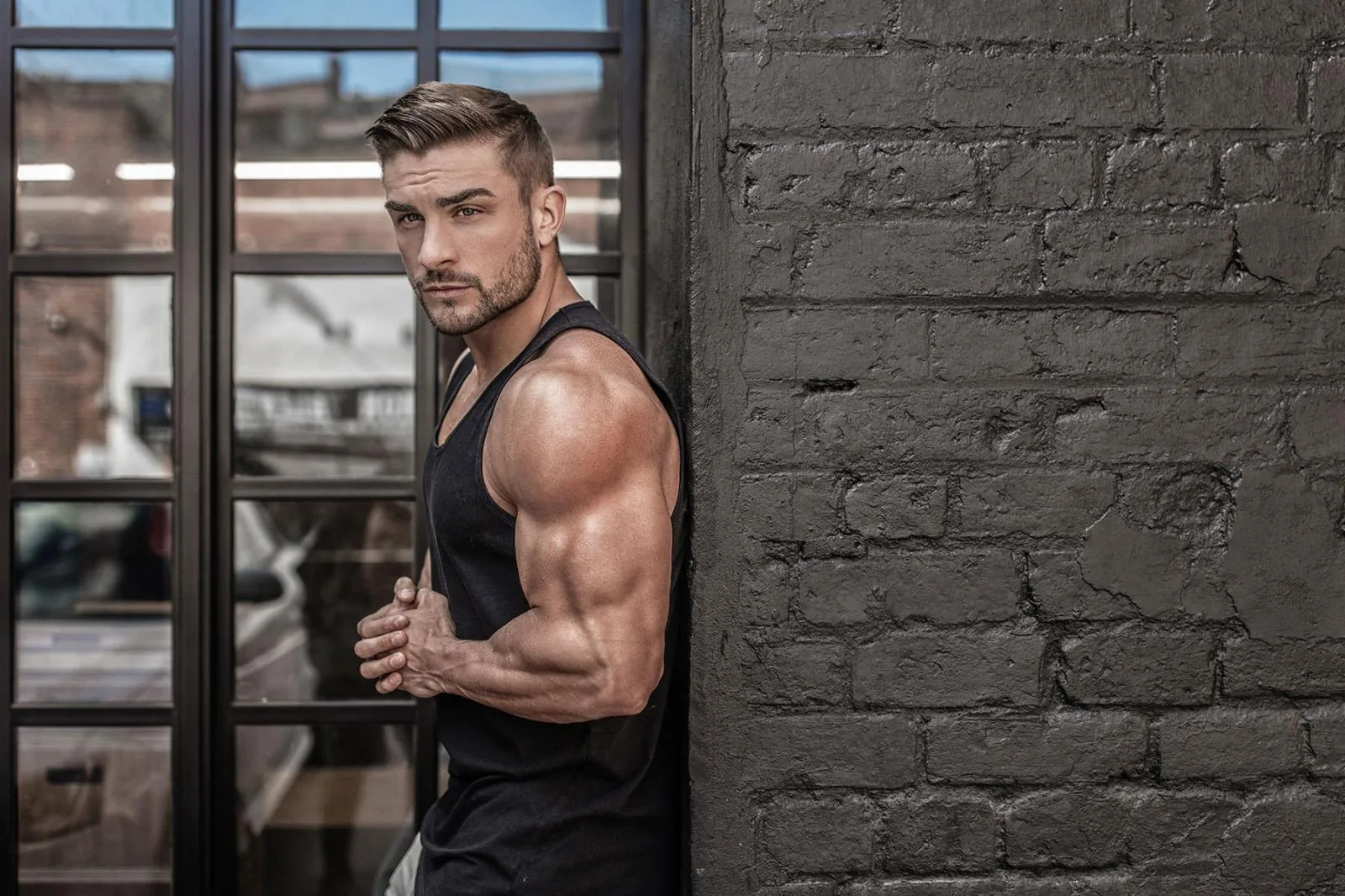
Preparation on the day is about having options. Bring more than you think you'll need - it's always easier to leave something in your bag than to wish you'd packed it.
Checklist:
- 3-5 outfits - gym wear, casual/lifestyle, smart if it suits the look you're going for. Variety gives us flexibility during the session. Tight-fitting gym wear works best for physique shots. Bring a couple of lifestyle options too - jeans and a fitted t-shirt, for example.
- Shoes - trainers are essential for gym shots. If you're doing lifestyle looks, bring whatever matches the outfit. Different shoes change the feel of a shot more than you'd think.
- Accessories - watch, jewellery, headphones, cap, whatever suits your personal style. These add personality to images and help create a range of looks from a single session.
- Resistance bands or pump equipment - though the studio has everything you'll need. If you have a favourite band or a specific piece of kit that gives you a reliable pump, bring it.
- Snacks and water - rice cakes, a banana, a protein bar, sweets for a quick energy hit. You'll need to maintain energy and keep your muscles looking full throughout the session. Bring a water bottle too.
- Music - if there's a playlist that gets you in the zone, I can play it during the session. It helps some people relax and get into a rhythm. There's a sound system in the studio.
- A positive attitude - it sounds obvious, but arriving in a good mood makes a genuine difference. Clients who show up excited get better results than clients who show up stressed. The session is supposed to be enjoyable. Let it be.
There are private changing rooms with shower facilities in the studio, so you can switch outfits quickly and comfortably between setups.
Want the complete checklist? Download the free Photoshoot Prep Guide. It covers everything from nutrition timing to outfit planning, with a day-by-day breakdown delivered straight to your inbox.
Mental Preparation
This is the section that matters most for first-timers, and it's the one nobody talks about.
If you've never had a professional photoshoot, there's a good chance you're nervous. You might be worried about not knowing how to pose. You might be wondering whether you're "ready." You might be imagining an awkward silence where you're standing under a spotlight and nobody's telling you what to do.
None of that happens. Here's what actually happens.
You walk in. We have a chat. I'll ask what you want from the session and we'll talk through the plan for the day. This takes a few minutes and it sets the tone.
I direct every single shot. Where to stand. How to angle your body. Where to put your hands. Where to look. You don't need to know any of this - I've spent 18 years figuring it out, and I've directed thousands of clients through exactly this process. Most people feel comfortable within the first few minutes. By halfway through, most are genuinely enjoying it.
The studio is private. It's just you and me. There's no audience, no crew, no one watching. If you want to bring someone for moral support - a friend, a partner, a coach - that's absolutely fine. But the space is yours.
There are no surprises. When you book, you'll receive the free Photoshoot Prep Guide that walks you through everything before the day. By the time you arrive, you'll know exactly what to expect.
If you're a first-timer, that's normal. A large proportion of my clients are doing this for the very first time. You don't need experience. You don't need a modelling background. You don't need to have done anything like this before. You just need to show up. I handle the rest.
The nerves usually disappear within the first five minutes. I've seen it happen hundreds of times. You arrive feeling uncertain, we start shooting, and suddenly you're in the zone. By the end of the session, most first-timers say the same thing: "I don't know what I was worried about."
Related Guides
Looking for more? These guides cover specific aspects of photoshoot preparation in detail.
- How to Pose for Fitness Photos - Posing guidance for every body type and fitness level. What works on camera, what doesn't, and why you don't need to figure it out yourself.
- What to Wear to a Fitness Photoshoot - Outfit guidance for gym, lifestyle, and smart looks. What to pack, what to avoid, and how to build variety into your session.
- What to Expect at Your First Fitness Photoshoot - The full step-by-step breakdown of what happens on the day, from arrival to final delivery.
Frequently Asked Questions
Do I need to be in competition shape?
What if I have tattoos or scars?
Should I get a spray tan before my shoot?
Can I eat on the day of the shoot?
What if I've never had a photoshoot before?
Ready to Book?
Not sure which package is right for you? The quiz recommends the perfect session based on your goals. Or get in touch directly.